
Why Some Areas of the House Get Dirty First
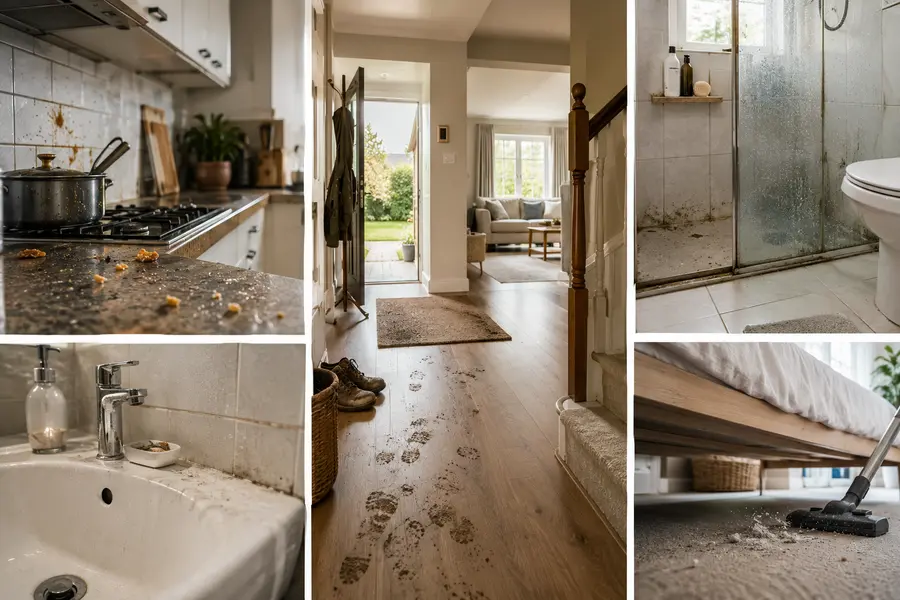
Always confusing bits of dust seem to skid toward your floor in certain places in your home no matter how many times you clean. You can vacuum the floors today and there will be dust, footprints or crumbs on them again tomorrow. This is because every part of the house receives a different amount of daily use and exposure to moisture and to the soil from outside. Knowing what makes house areas get dirty first, home owners clean smarter and keep their house healthier in door air.
In this blog we will talk about why this happens also tell which high traffic areas in the home require more cleaning and offer some practical tips for Australian homes.
Entryways Collect Outdoor Dirt
Almost every person that walks into your house brings in dirt, mud,soil, sand leaves and water with the soles of their shoes. Entrances are also the places where these outdoor particles start accumulating thereby becoming the priority points at home you need to focus on regular floor cleaning. Extra dirt can also be a common occurrence in Australian homes during the winter months and or after wet weather as followers brings in mud. Pet paws can bring dirt in your house too after your pet plays around outside. Quality doormats on the inside and outside of each door having everyone in your home take their shoes off and regular sweeping are all effective ways to prevent dirt from taking over your home.
Kitchens Face Daily Mess
The kitchen is one of the most active and probably the most utilized rooms in a house or apartment With so many kitchen activities taking place such as cooking, dishwashing, meal preparation and even the storing of foods the level of dirt including grease spills, crumbs and food particles accumulates in such an environment daily. Cooking, though done in an extremely careful manner inevitably gives off the tiny oil particles that find their way through air, dust and water, as it were onto the surfaces like cupboards, splashbacks and in particular the extractor fans.
Bathrooms Stay Damp Longer
Baths, showers, handwashes create moisture in bathrooms naturally. The warm and wet air is the place where mould, mildew bacteria, soap scum on tiles, grout fixtures, glass and even mineral deposits get their energy. Even if your bathroom doesn’t look dirty and clean, the moisture that is hidden can create bacteria behind toilet bowls, under sinks and behind tiles in bathroom corners. Bathrooms are usually the first rooms in the house to get dirty because humidity increases the accumulation of filth. Moisture-associated cleaning concerns are best minimized by using the vent fan, drying the moisture after getting wet and making sure there is a good ventilation system.
Areas That Get Dirty Quickly
| Area | Main Reason |
| Entryway | Outdoor dirt and shoes |
| Kitchen | Food spills and grease |
| Bathroom | Moisture and mould |
| Hallway | Constant foot traffic |
| Living room | Dust and pet hair |
| Laundry | Lint and moisture |
Living Rooms Gather Dust
Sometimes living rooms may be perfectly clean and yet they will remain dust-laden during the whole day. Upholstered furniture, carpets, drapes, electronics as well as various decorative items attract airborne dust and pet hair and pollen. These substances get scattered by ceiling fans as well as the air conditioning units and finally settle on shelves, tables etc. Carpets in living rooms often trap fine dust, pet hair and allergens deep within the fibres, making regular vacuuming and occasional deep fibre treatment essential for maintaining a cleaner indoor environment. Since the living room is one of the most used rooms in the house it becomes a high-touch zone which will probably require some maintenance on a daily basis. Some simple actions like vacuuming carpets, dusting with microfiber cloths and washing of soft furnishings can greatly decrease the amount of allergens in the room and also make it smell and look nice.
Hallways Experience Heavy Traffic
Besides, the house’s hallways link nearly all rooms which means that they are the most-used corridors. One family member will be there many times a day, spreading dirt from one area to another. This travel wears down floors faster and dust and dirt gets trapped behind the baseboards, in the corners. Among all the areas of house get dirty first, hallways often require the most frequent sweeping and vacuuming. The regular cleaning of these areas provides a significant advantage in proper control over the growing dust in areas meant for sleeping and living.
Weekly Cleaning Checklist
| Task | Recommended Frequency |
| Vacuum entryway | 2–3 times weekly |
| Mop kitchen floor | Weekly |
| Clean bathroom surfaces | Weekly |
| Dust living room | Weekly |
| Vacuum hallway | 2–3 times weekly |
| Wash doormats | Monthly |
Bedrooms Hide Everyday Dust
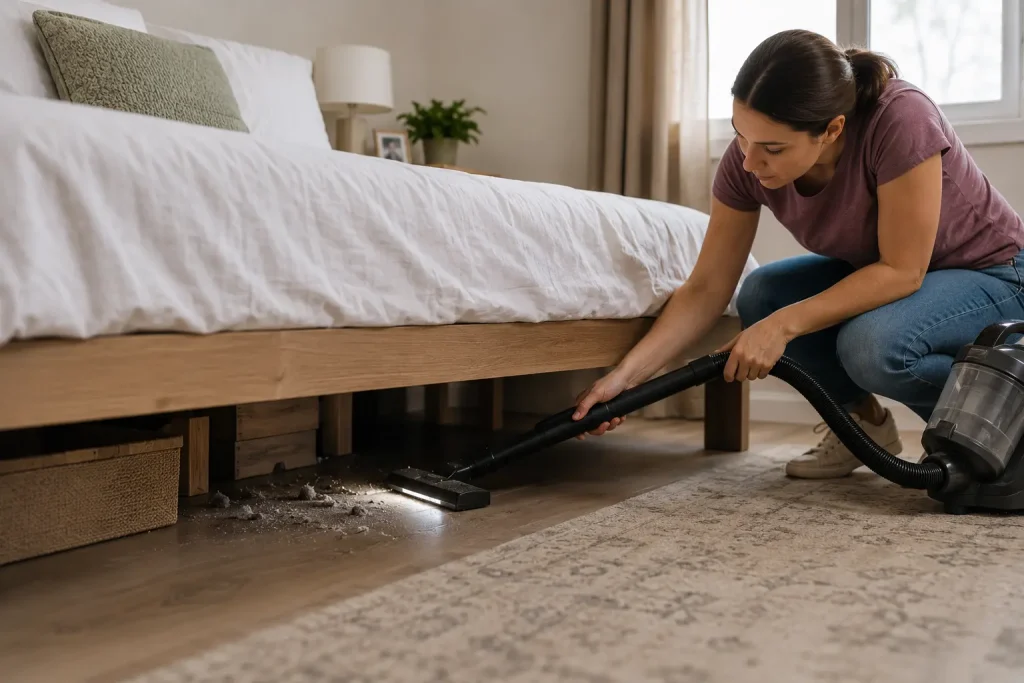
Although bedrooms may seem to get more dust in comparison to living rooms because they are not that much occupied, even rooms with less foot traffic can gather a lot of dust. Dust mites love bedding and small scraps of fabric and dead skin. Wardrobes and places under the bed are often forgotten during cleaning. Besides, the fact that there is no proper ventilation system in the house is also a problem. Mopping under the furniture, washing bedding weekly and vacuuming mattresses from time to time keep these rooms from collecting dust under the surface despite their surface neatness.
Smarter Cleaning Routine
When it comes to a clean and cozy home, your efforts are best invested in parts of the house that get soiled quickest. If cleaning is concentrated around the doorway, kitchen,bathroom, hallway and living room, dirt won’t have time to spread into other parts of the house. Understanding how dust builds up so quickly in modern homes can also help homeowners identify problem areas earlier and adopt more effective cleaning habits before dust spreads throughout the house. Having a weekly cleaning plan that lists all the cleaning activities you can do is a good idea because this sort of record keeping can help you cut down on deep cleaning time. These high traffic areas of your house are in most demand and so need regular upkeep which will not result in clutter and the overall freshness will benefit even your family’s mood.
Conclusion
All homes have places that get dirtier faster than others, thanks to daily movement, moisture, cooking, pets and outdoor exposure. Homeowners have a better idea of where to clean and can try to contain the dirt rather than have it spread through the house when they know why they get dirty first. If the dirtiest parts of homes are focused on and a proper clean is maintained regularly the dirt can’t reach a layer of dust and settle on surfaces that are almost impossible for anyone to clean at their own expense. By means of this, households can also serve their desire for a clean home environment in all seasons, whether during summer or winter.
Frequently Asked Questions
1. Why do entryways get dirty faster than other rooms?
Dirty areas like dirt, dust , sand, leaves and moisture picked up from the bottom of shoes, as well as pet paws bring it into the entryway areas which eventually accumulate these kinds of dirt.
2. Which are the highest-traffic areas in a home?
In a typical house, the most frequented pathways will include the door area, kitchen, bathroom, hallway and living room.
3. How often should high-traffic areas be cleaned?
It is recommended to vacuum or sweep the places often in order to keep them clean in busy zones. Besides, responsible cleaning of dishes and bathroom sinks also should be done regularly to prevent the gathering of dirt and bacteria from forming there.
4. How can I stop dirt from spreading through my home?
It is important to have a durable door mat, remove shoes inside the house, vacuum regularly, wipe spills immediately, wash your pet often and clean the areas that people frequently walk through first to help contain dirt.
Related Posts

Why Do Tenants Need a Move-Out Checklist Before Leaving?
Key Takeaways Moving out from a rented house is not only about moving belongings and…
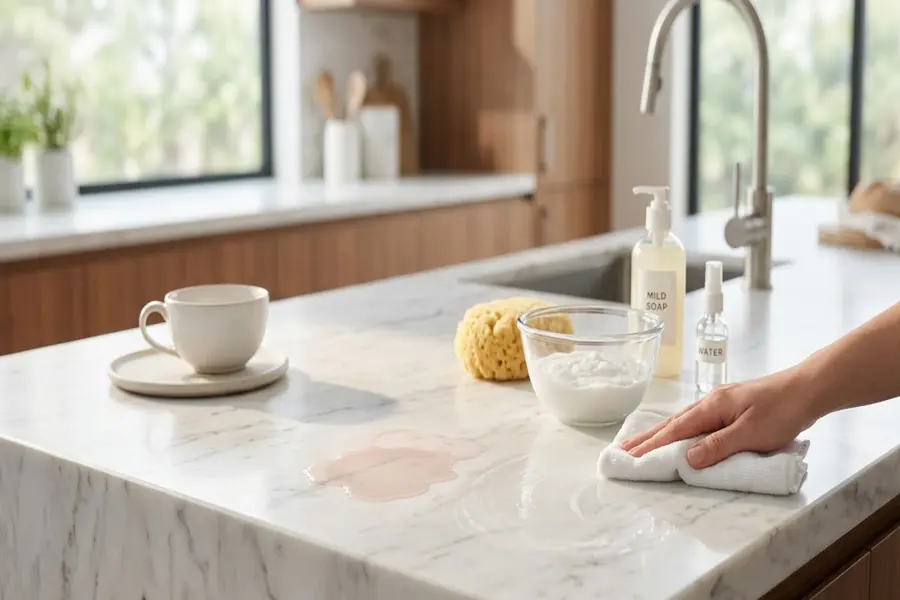
Easy Ways to Remove Stains from Marble Surfaces
Remove Stains from Marble Surfaces with Easy Methods Have you ever realized that there is…
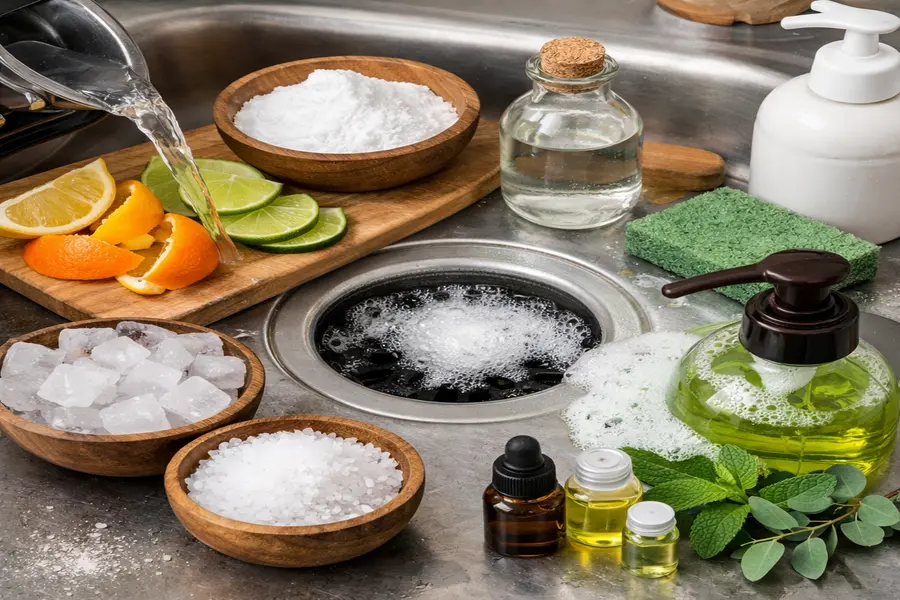
The Best Natural Tricks to Stop Garbage Disposal Odours
Did you ever get your tap running in your kitchen and smell nothing good? You…