
5 Mistakes to Avoid When Cleaning Tiles With Vinegar
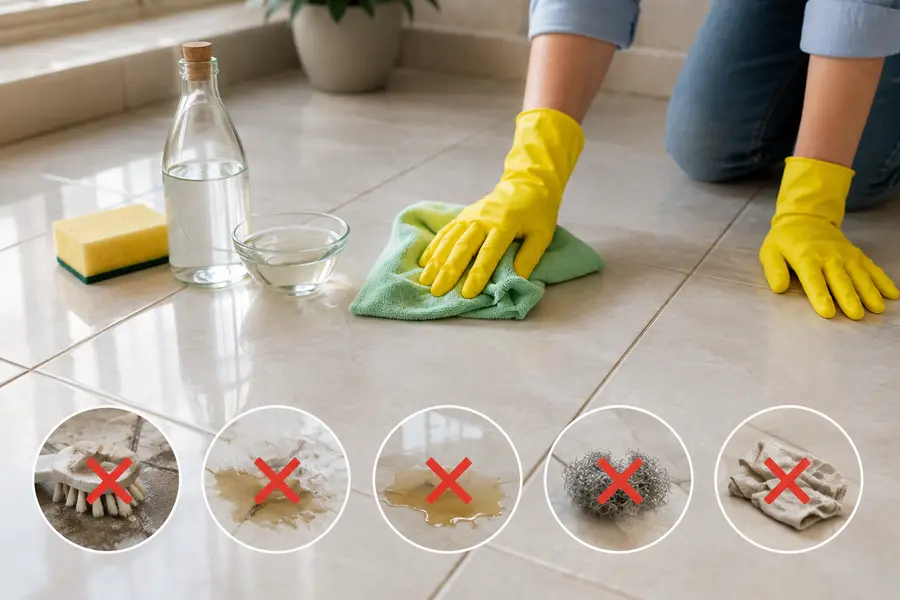
As a cheap and abundant resource, vinegar can be found all over homes and used as a cleaner. A large number of Australians use it on a daily basis to clean up. The fact is that not all tiles or surfaces can tolerate vinegar. Incorrect usage might lead to finishes being ruined or even grouts being eroded or causing other marks that one would not want. Through this blog, we will take a look at five common mistakes to avoid if you do not wish to make a mess of the tiles when cleaning with vinegar. The blog will also show you how you can do a safer cleaning, what better options there are and what little tricks you can use to leave the tiles sparkling clean.
Check Your Tile Material First
Probably the most dangerous mistake is to assume that vinegar is safe when used on all kinds of tiles. Vinegar, which is acetic acid, is a weak acid and it can change when mixed with certain materials. Marble, limestone and travertine as well as some kinds of granite stone which are natural stones, could be hurt by any acids, that is, even a slightly acidic vinegar. In any case of doubt, you can take a look at the cleaner instructions for proper use and safety. Also, if you feel uncertain or have doubts, it might be a good idea to start by cleaning just part of the floor in a corner or some less visible area to see if that cleaner works and does not harm the area.
| Tile or Surface | Vinegar Suitability | Safer Approach |
| Ceramic | Usually suitable | Diluted vinegar |
| Porcelain | Usually suitable | Mild diluted solution |
| Marble | Avoid | pH-neutral cleaner |
| Limestone | Avoid | Stone-safe cleaner |
| Travertine | Avoid | pH-neutral stone cleaner |
| Natural stone | Usually avoid | Manufacturer-approved cleaner |
Avoid Using Undiluted Vinegar
Another common error is to use straight vinegar on tiles. Vinegar is a natural cleaning product however when left in its strong form it can be too strong for just everyday household cleaning. It can also cause damage to grout and the surrounding finishes with extended use. This can mean easier dirt removal without the pH stress that might occur on the stone surfaces. Spray or dab on the solution with a cloth. Let it sit then clean. Rinse if manufacturer recommend so. Never use vinegar to clean your house plus other substances mostly the ones that are strong in nature. As an example, never combine vinegar with bleach or any thing that contains chlorine because it can be so dangerous to the point of breathing it can kill you.
Do Not Leave Vinegar Too Long
Vinegar has to be given a little time to work to dissolve some kinds of deposits. But baking soda isn’t necessarily a better cleaner if you let it sit on a surface for virtually longer. The risk of surface damage may also be increased with extended exposure. If you are doing it manually, a soft microfiber cloth or any soft sopping up the solution should suffice. Avoid the solution to totally air dry on the material. When done wiping or scrubbing, you can wash the surface off with plain water and then dry the area with an unmarked clean cloth so that no water dots get left behind. Good ventilation may also contribute to a quick drying of the surface in case of bathroom tiles.
Simple Vinegar Cleaning Method
| Step | What to Do |
| 1 | Identify the tile material |
| 2 | Dilute vinegar appropriately |
| 3 | Test a hidden area |
| 4 | Apply to a small section |
| 5 | Gently wipe the surface |
| 6 | Rinse with clean water |
| 7 | Dry with a clean cloth |
Be Gentle When Cleaning Grout
Tiles should be fine with some cleaning but grout is more delicate. If you use a stiff brush to clean the tile and grout you will be rubbing away the surface of the grout which will make it thinner and weaker. Normal acidic cleaners will not harm the grout. Deal with those tough stains using a special type of grout that has been recommended for the kind of floor you have, or at the very least go for a grout that will be suitable to the texture of the floor. Should your grout be fissured, flaky or full of stains professional cleaning or restoration is an alternative to your usual scrubbing and scrubbing. It also possibly means that you might not have to do harsh treatments later on.
Remember to Rinse and Dry
The appearance of cleanliness of a spot does not ensure that underneath it is devoid of grime entirely. It is the accumulation of the residue post using products and a surface can turn dull or even stick that is often overlooked. Drying floor tiles is not only important for preventing bacteria but it will also maintain their shiny look longer. After water has been sitting on grout for a small amount of time in a narrow crack, the possibility of a stain developing increases. Summing up, you should be careful to look very hard to get at areas i.e. corners, edges and other gaps, in particular of fixtures, where water will hang around quite for a long time.
Choose Suitable Cleaning Products
Vinegar isn’t always the right choice for cleaning tile. The right cleaner depends on the tile material and grout type as well as the amount of dirt. A neutral pH cleaner is usually the best choice for natural stone. Products that have been approved by manufacturers might also be able to yield safer results when it comes to special surfaces. On any other surfaces that may be covered in dust or dirt you can simply give them a quick wiping with warm water and a microfibre mop for normal cleaning and an extra bit more where there is dirt. A mild detergent can also be used on some cleanable surfaces that are nonporous to wipe away food or beverage stains. Choosing the right cleaning approach can also support indoor surface restoration when tiled areas need extra care without risking further damage to the surface or grout.
Know When to Avoid DIY
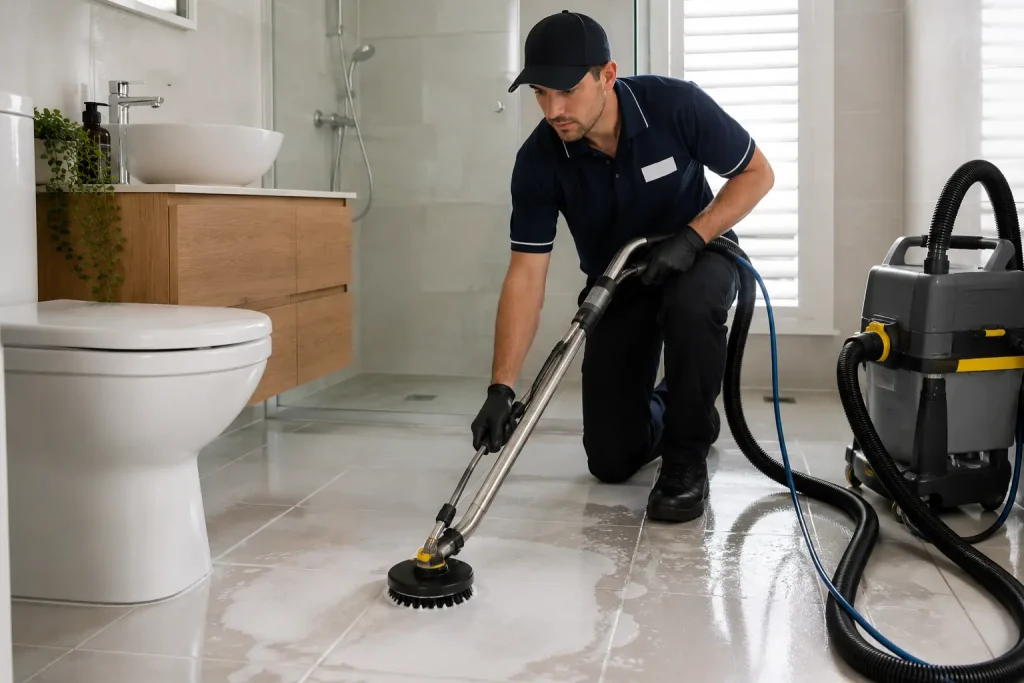
There are times when the cleaning at home just isn’t enough. Ground-in dirt, stubborn grout staining, cracked or discoloured tiles or layers of mineral deposits may all necessitate the services of a specialist. Professional tile and grout cleaner equipment gets into places that household cleaners don’t even come close to fitting such as deep between the grout lines and down three inches beneath the tile surface. Experts can also evaluate the surface prior to deciding a suitable cleaning technique. If you are a tenant, check your tenancy terms before doing any intensive cleaning. In the case of some surfaces you will need to use certain products or procedures. Don’t take any chances with acids if you don’t know what your surface is made of.
Maintain Tiles With Care
Regular cleaning of tiles makes daily cleaning a breeze. What might initially appear to be a helpful trick can become a damaging one if not thought through. A great many common items are damaged by vinegar. In fact, a vinegar solution is often cited as a home remedy for a cleaning problem that vinegar should not be used for, because the substance can react badly with the surface. Follow manufacturer’s guidelines and do a patch test before using a new product on the floor where it won’t show. A mild cleaning technique will help you get rid of the normal dirt and smut from the floor and it will allow you to keep the tiles and grout away from abrasive treatments.
Conclusion
Vinegar is great for numerous household cleaning jobs though not really every tile would like it. Using it too much, allowing it to dry on the material for a long time or overly aggressive cleaning of the grout with an eraser, tends to bring up extra problems instead of fixing issues. It’s best to know what kind of tile you have first. A diluted solution is applied only when the surface allows. Daily cleaning, gentle cleaning tools, right products use, proper airflow, tile and grout surfaces can remain fresh as new as well as being regularly taken care of. If the dirt deposit, stains or damage is really thick or deep, then a cleaning company may be a better option for you. Understanding why some areas of the house get dirty first can also help you identify high-traffic spots that need more frequent and careful cleaning.
FAQs
1. Can vinegar damage ceramic tiles?
Diluted vinegar is generally suitable for many ceramic tiles. Always check the manufacturer’s recommendations before using it.
2. Can vinegar clean grout?
Vinegar may help with some surface residue, but frequent use can affect certain grout types. Use a suitable grout cleaner when necessary.
3. Is vinegar safe for marble tiles?
No, marble and other acid-sensitive natural stones can be damaged by acidic cleaners such as vinegar.
4. Should I rinse tiles after vinegar cleaning?
Yes, rinsing helps remove remaining cleaning solution and loosened residue. Dry the surface afterwards to reduce water marks.
Related Posts
The Best Natural Tricks to Stop Garbage Disposal Odours
Did you ever get your tap running in your kitchen and smell nothing good? You…
Easy Ways to Remove Stains from Marble Surfaces
Remove Stains from Marble Surfaces with Easy Methods Have you ever realized that there is…

Annual Home Cleaning Checklist for a Spotless Home
Key Takeaways Keeping your house clean throughout the year is not always easy, especially when…