
10 Key Kitchen Hygiene Advice for a Safe and Clean Kitchen
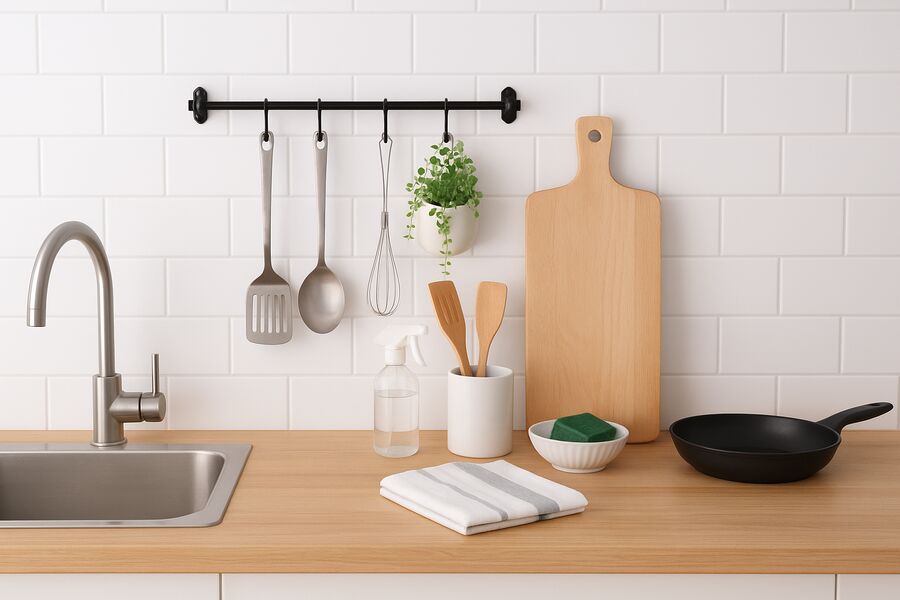
Have you ever looked at your kitchen hygiene? Have you ever wondered why, even after cleaning regularly, your kitchen is not fresh? Are you doing all the right things to uphold good kitchen hygiene, or are there lurking pitfalls that could result in your food preparation sealing nests of bacteria? Kitchen hygiene should go beyond cleaning up the counters and involve an efficient discipline of maintaining your work environment safe, clean and healthy. Whether it is on tables or the ground, every corner counts.
Proper kitchen hygiene might be overwhelming to consider, but a few routines and habits can go a very long way. This blog will guide you through 10 important tips that will keep your kitchen clean, neat and without bacteria.
10 Ways To Get Safe and Clean Kitchen Hygiene?
The kitchen hygiene is the centre of the house where friends and food are exchanged. Cooking is a part of daily living, and you will be left with grease, grime, and stained dishes in need of cleaning. These are ten vital rules on kitchen hygiene advised by Bond Cleaning Bayswater professionals to ensure that their countertops, appliances, and surfaces are clean, sanitary, and germ-free to ensure healthy living.
1. Regular Handwashing
One of the main germs causing places in the kitchen is the hands. Always wash your hands using soap and warm water before touching or preparing food, after touching raw foods and after cleaning things. Handwashing is one of the key interventions used to enhance general kitchen cleanliness and prevent the chances of food contamination with any bacteria, viruses, or other unsafe microbes. Motivate every member of the family or any kitchen assistant to stick to this schedule every time.
2. Cleans and Sanitises Surfaces
Hot points of germs are countertops, board cutting and tables. Proper kitchen hygiene should be maintained by cleaning these surfaces regularly with disinfectants or natural sanitization with widely recognised substances such as vinegar and warm water. Wood, also mild soap and water should be used to clean wooden surfaces and avoid damage. Take particular care when cleaning up locations in which raw meats or sticky food has been handled as bacteria can build up rapidly in these places. It is the foundation of another safe kitchen: regular cleaning of surfaces.
3. Keep the raw foods and cooked foods separated.
Cross-contamination is a typical cause of foodborne diseases. Separate uncooked food, especially uncooked meat, sea foods and cooked dishes and ready-to-eat food. Separation of raw and cooked food can be carried out by use of different cutting boards, knives and tools. It is a simple but very effective measure, as this takes kitchen hygiene to another level since it reduces the cross-contamination effects of bacteria in the uncooked food compared to other ingredients, and it can ensure that your food is safe to eat.
4. Clean The Cooking Area Daily
The food preparation, in this case, consists of the stovetop, the hood and the back splashes. They all need to be scrubbed perfectly clean to get hygienic cooking. The stovetop is characterised by burnt carbon, splatters, oil spots and grease. It should be cleaned; the removal of the grates and burner caps allows the cleaning to be done thoroughly.
The range hood filters should be soaked in a hot water and dishwashing soap solution mixture and left for about 15-20 minutes before scrubbing to eliminate the grunge. You can mix water with white vinegar and spray the solution on the dirty backsplashes. And clean it off with a fresh, damp cloth to dazzling results.
5. Maintain Appliances
Cleaning of kitchen appliances like microwaves, ovens and even fridges should be done frequently. Grease, food crumbs, and spills can accumulate so fast, creating an artificial nurturing environment of bacteria, and hiring professional cleaners can make this task easier and more effective. Clean and sanitise surfaces, including frequent wiping and replacing filters. Washing the dishes is definitely the most obvious aspect of kitchen orderliness, yet routine maintenance of the appliances is also another important aspect that might lead to a clean and safe kitchen.
6. Proper Dishwashing
Another thing is that when there are unless dishes, utensils and cookware are washed immediately, the bacteria may remain in them. When we use hot water and dishwashing/dish soap to make it permanently clean. It is also important to sanitise the dish racks, sponges, and scrubbers early enough, as they are also likely to be contaminated. Clean dishwashing will keep your kitchen relatively clean and your cooking pans clean and bacteria-free, to be used daily.
7. Waste Management
When food waste is ignored it might generate odours and pests. Rooms should be cleaned by taking out the garbage and washing out the bins. Exclude leakage and contamination with the help of liners. A kitchen hygiene aspect that is generally ignored is proper waste management, which keeps the environment clean and free of bacteria accumulation and growth and provides a fresh and safe environment.
8. Frequent Cleaning of the Floor
Kitchen floors have spills, crumbs and grease that may contain germs and may lead to slips. Regular clean-up of floors (with disinfectant solutions) should be done. Choosing the best time for cleaning makes the process easier and more effective. Clean floors also help to clean up the overall hygiene of the kitchen, making the whole cooking zone safe and not having dangerous bacteria.
9. Air Quality/Ventilation
A high level of air circulation can eliminate cook odours, smoke and moisture resulting in mould. Deliver good ventilation in your kitchen and ensure clean exhaust fans and vents. Good ventilation – It is one of vital and most overlooked elements in kitchen hygiene that supports not only comfort but also health in the cooking position.
10. Educate and Continue to Be Consistent
The key behind kitchen hygiene is knowledge and practice. Train the family members or food assistants in a kitchen to observe good hygienic standards and make cleaning everyday affair day today, weekday and month-wise.The consistency will guarantee that your kitchen is safe, organised, and safe of harmful bacteria in the long run, which makes it a conducive and healthy food preparation space.
Wrapping Up
Handwashing and actual garbage are simple routine habits that tend to promote high kitchen hygiene. These are general practices that can be adapted in your kitchen every day to maintain a sanitary and safe kitchen. A clean kitchen not only sounds nice, but it also guarantees the freshness, safety, and delightful cooking process to you and the surrounding people you love.
Related Posts

5 Easy Ways to Clean Mould Naturally without Chemicals
Have you ever entered your bathroom or kitchen and looked at those nasty black or…

A Step-by-Step Approach for Steam Carpet Cleaning
Did you ever enter your living room and think that the carpet looks too dirty…

When Is the Right Time for Cleaning for a Clean House?
Have you ever thought about whether there is a right time for cleaning? Have you…